
3D & AR
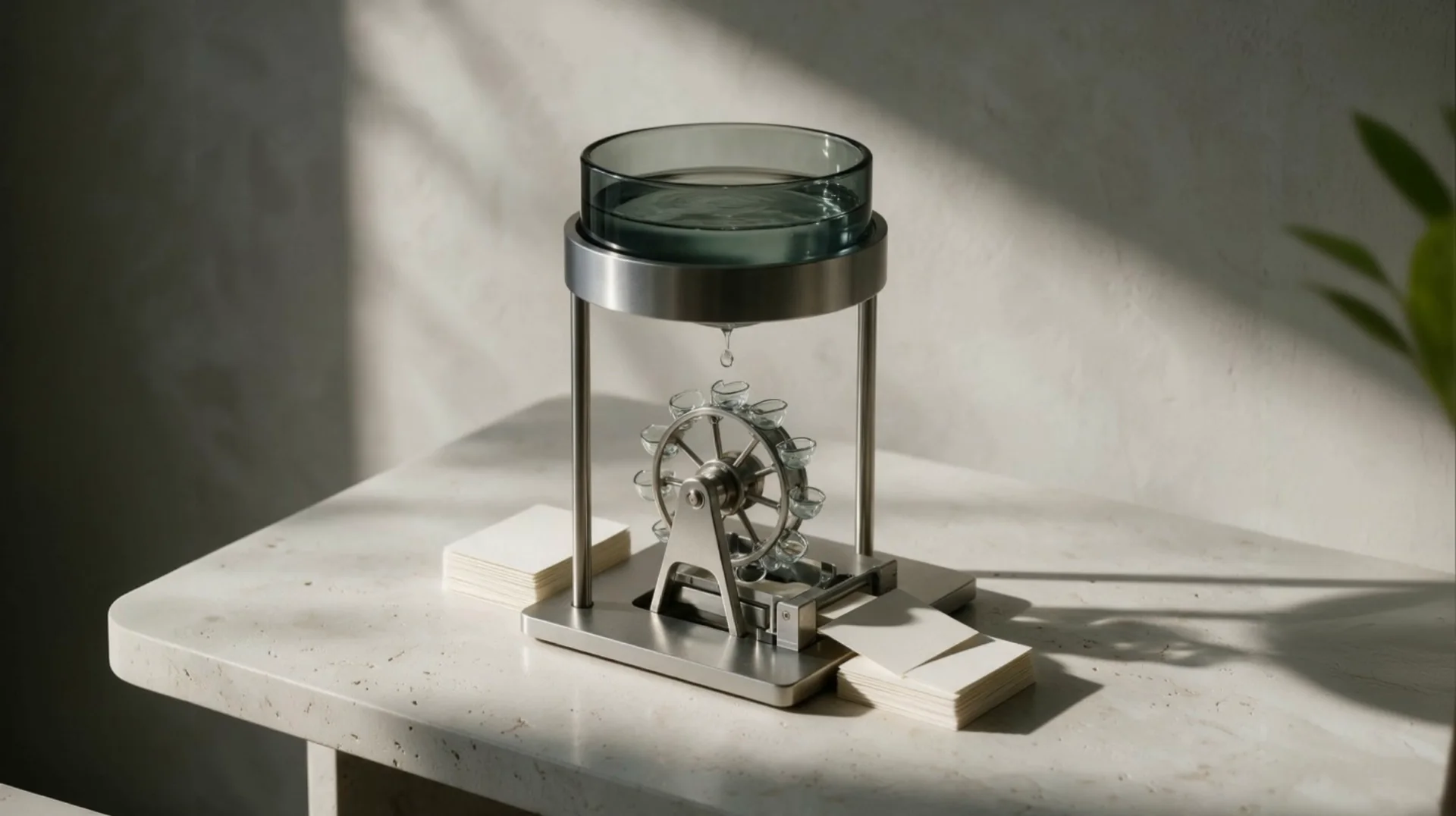
Seen from every side before it is held.
We build accurate 3D models of your products for the online shop, the catalogue and presentations. The buyer turns it, changes the finish, sees its real size and, on a phone, puts it on their own table.
Tell us about yoursWhat a photograph cannot show.
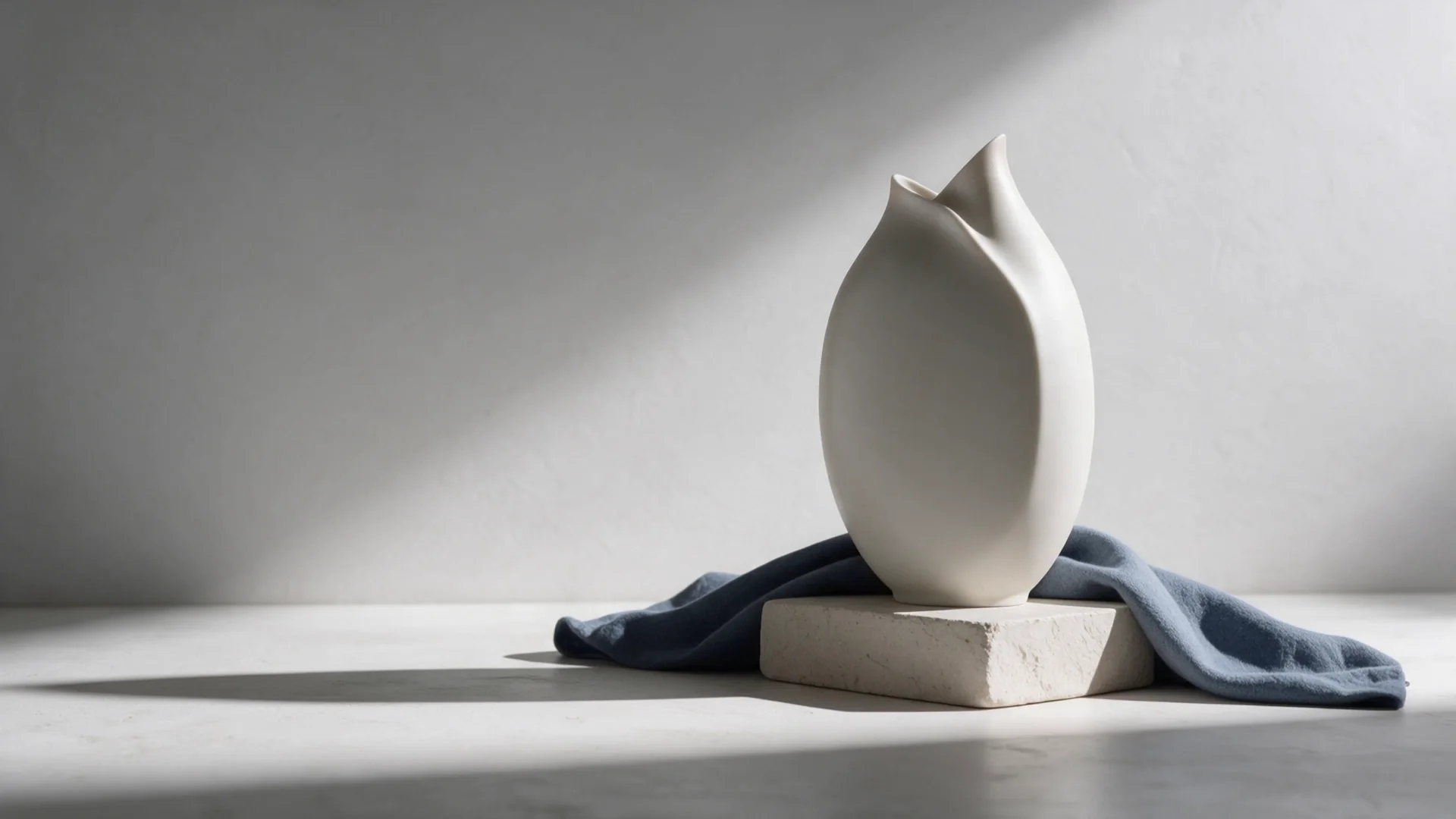
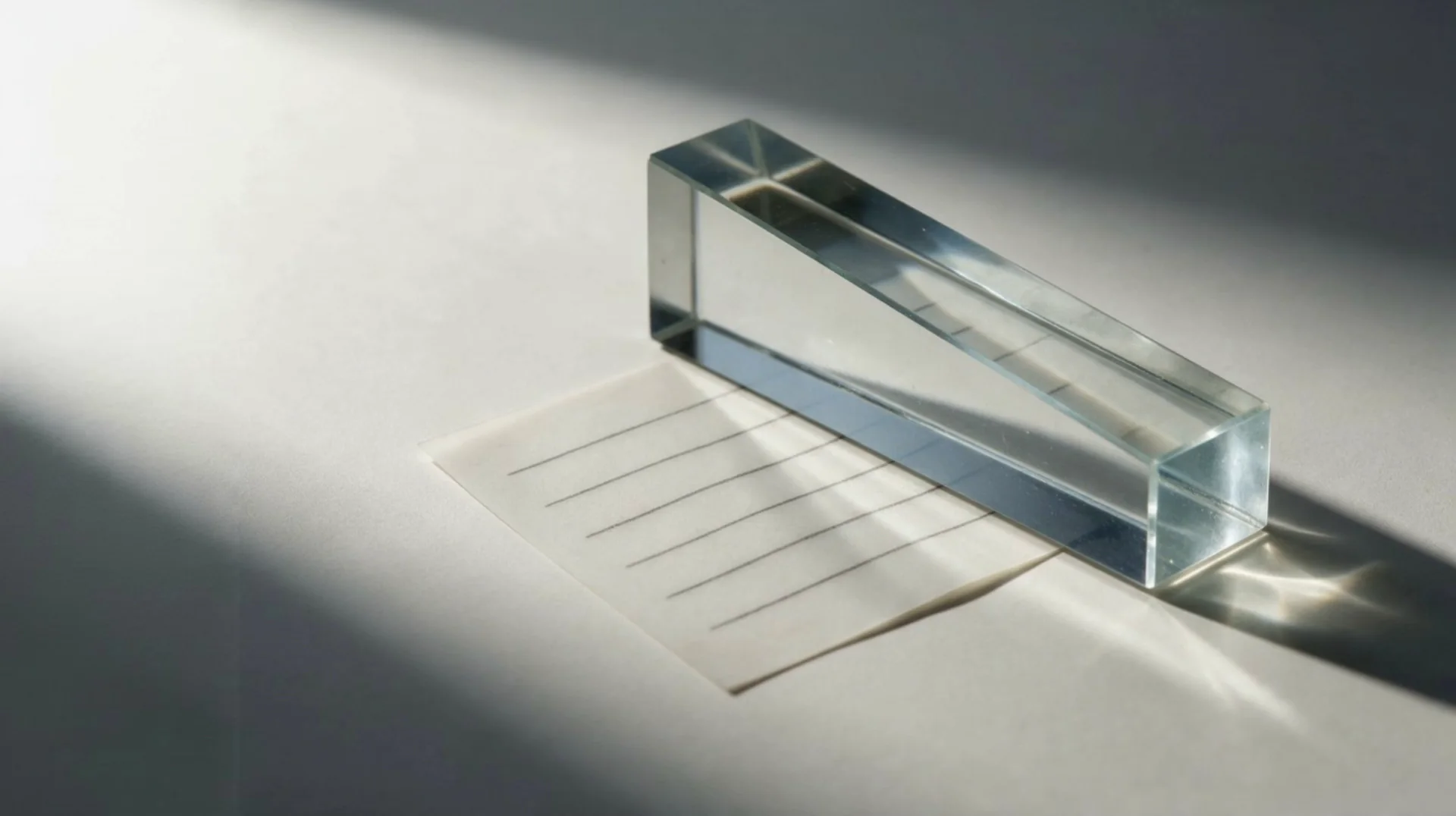
A photograph shows one side, in one light, in one finish. The model shows all of them. Turn the vase, change glaze and colour, bring morning or evening light, cut it in half.
Loading the model
- Height
- 28 cm
- Widest diameter
- 18.6 cm
- Opening
- 6.3 cm
- Wall
- 6 mm
- Capacity
- 3.8 litres
- Weight, approx.
- 1.6 kg
Glaze
One model, every combination. No photo shoot for each.
ColourPumice
The colours of the workshop's identity, on the same piece.
Size
Beside an espresso cup, so nothing about the parcel comes as a surprise.
The same piece in morning and in afternoon light.
View
Wall thickness, capacity, weight: what a trade buyer always asks.
Dimensions, capacity and weight are calculated from the model itself, for the size you chose.
A Noria study. Dimensions and weight calculated from the model.
In their room, at its real size.
On a phone, the same model opens through the camera. The buyer sees it on their own table or shelf, at 1:1 scale, and walks around it. No app is needed.
What it takes
- One model per product, from drawings, photographs or a scan.
- Two files: GLB for Android and the web, USDZ for iPhone.
- Correct dimensions and a light file, so it opens quickly on a phone.
What it does not do
- It does not show weight in the hand or texture to the touch. For those, a sample is still irreplaceable.
- It does not open on every older phone. Where it is not supported, the button simply does not appear.
There is no AR button here. This page shows how it works, not a product for sale.
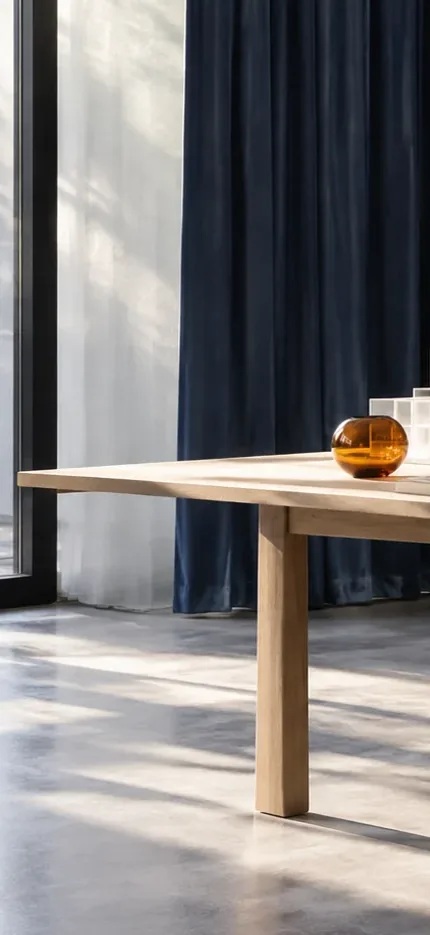

The object and its twin.
The model is a second object, identical to the first: the same size, the same curve, the same material in daylight. Views, images and AR come from it without a new shoot.
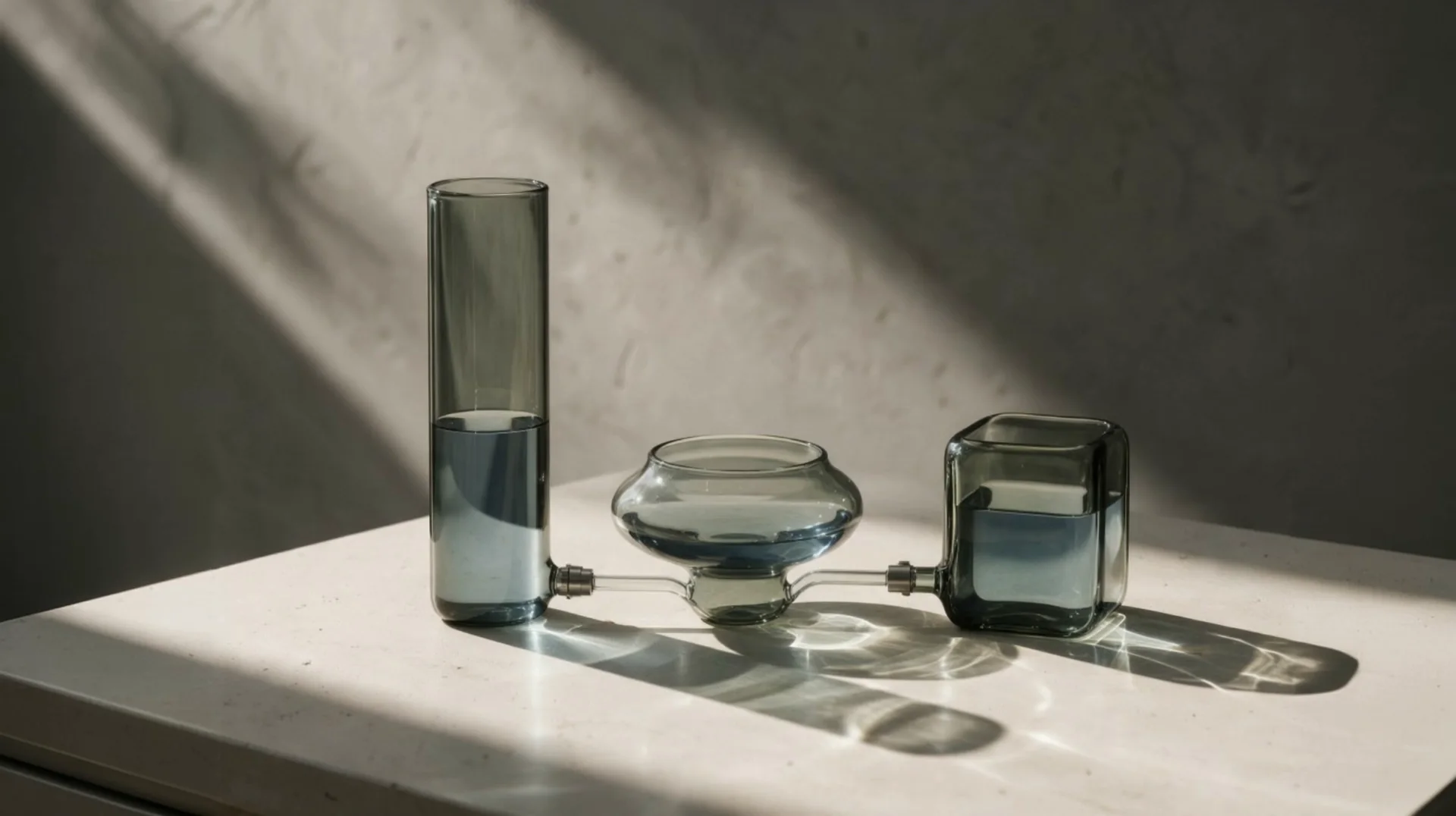
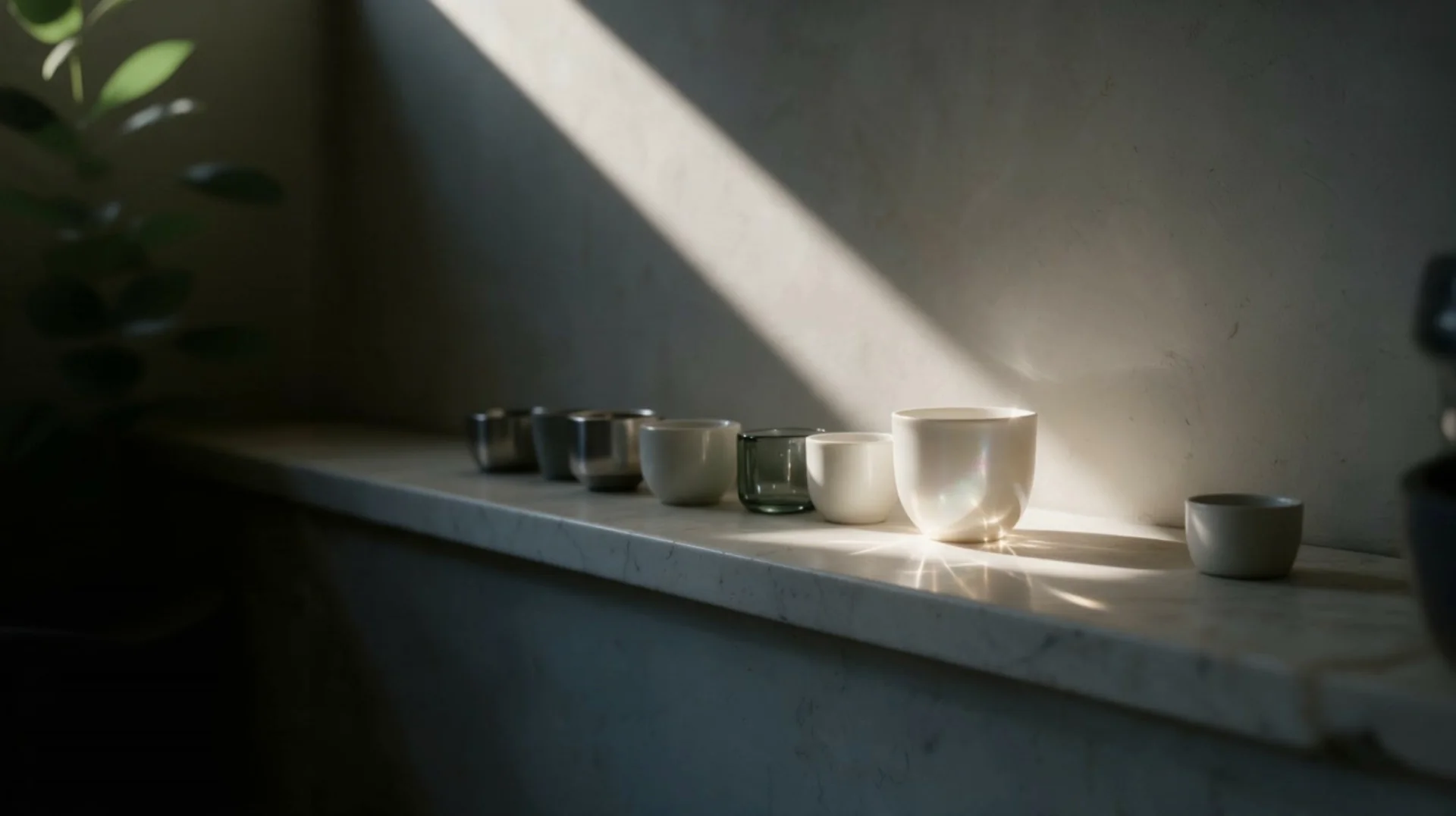
A white ceramic vase and the same vase in clear glass, side by side in the light.
What we deliver

3D product model
Accurate, at real scale, from drawings, photographs or a scan.
Materials and finishes
Glazes, wood, metal or fabric, tuned to look like the real thing in daylight.
Interactive viewer
For your shop or catalogue: rotation, options, dimensions, sections.
AR for phones
GLB and USDZ files, so the product opens in the customer's room at its real size.
Images from the model
Product stills and short films in every colour, without a new shoot.
File library
Organised files for your shop, marketplaces and partners.
From the sample to the customer's screen.
The model is checked beside the real piece before it goes anywhere. If you cannot tell them apart, it is ready.
- 01
Reference
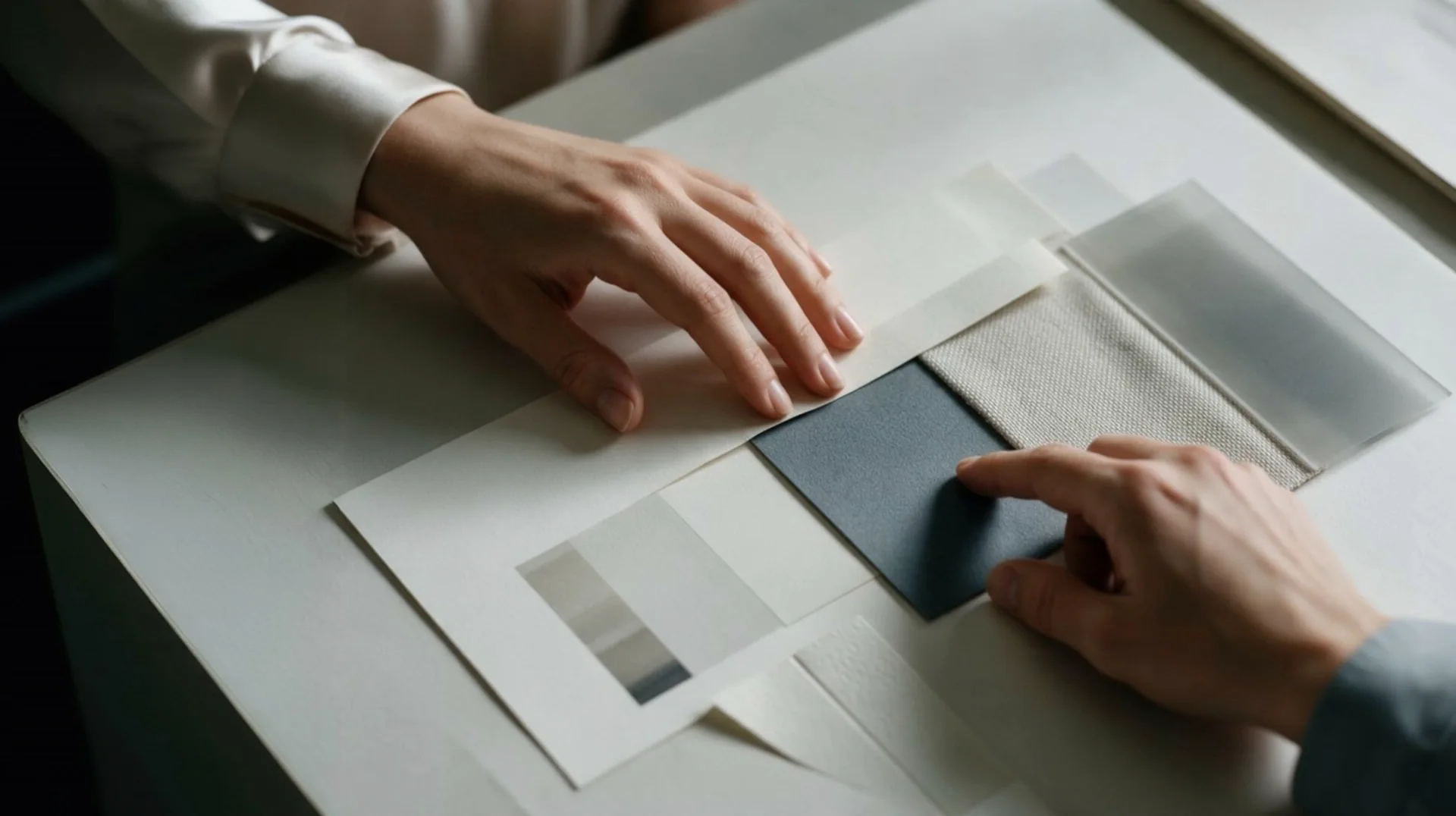
Drawings, dimensions, photographs or a sample. The more precise, the more faithful the model.
- 02
Modelling
We build the geometry at real scale and show it beside the real piece for checking.
- 03
Materials and light
We tune glazes, colours and finishes until they cannot be told from the photograph.
- 04
Integration
The viewer goes into the product page, together with AR for phones.
- 05
New products
Every new piece or colour joins the same library, the same way.
Before we start.
It needs two things: an accurate 3D model of each product, and a viewer on its product page. We build the model at real scale from dimensions, photographs or a sample, with the finishes you want it to show. For AR we prepare GLB files for Android and USDZ files for iPhone, so customers see the product at its real size in their own room.
A 3D viewer shows the product, a configurator changes it, and AR places it in the buyer’s own space. In a viewer, buyers turn the product and see it from every side. A configurator adds options such as finish, colour or size and shows the result at once. AR uses the phone’s camera to place the product at its real size where it will stand. All three start from the same accurate model.
Not always. For simple shapes, dimensions and good photographs are enough. For more complex ones, a sample or a scan helps it come out faithful.
A model with a few finishes usually takes one to two weeks. A whole range is scheduled in batches, starting with the most important product.
By how complex the shape is, how many materials and variants it has, and whether AR is needed. After a short conversation we send a proposal per product or per range.
On most platforms, yes, as long as code can be added to the product page. We check before we start.
The model only loads when the visitor reaches it, and where the device cannot handle it a photograph appears in its place.
Goes well with
 IdentityA mark, colour and rules that make you recognisable.
 WebsitesDesign and build, to the standard of your work.
 Content & photographyPhotography, copy and posts in one voice.
For which industries